
About Werkvolk
Better working relationships start with a clearer picture
We help people and employers understand the job, the team and each other before they decide. Built in Belgium, from conversations with the people doing the work.
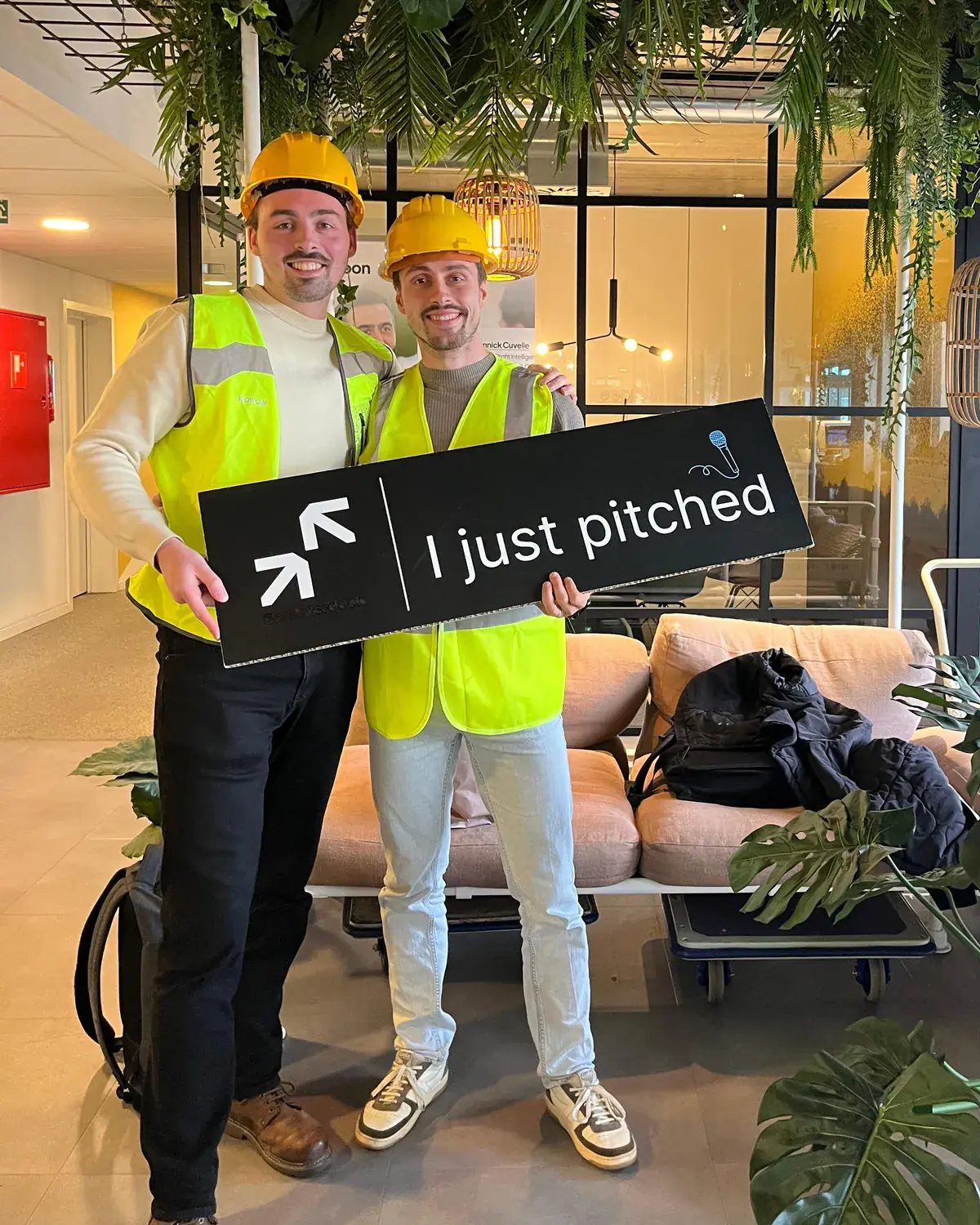
The people behind Werkvolk
Werkvolk didn't come from a whiteboard session, it came from real conversations with people on the ground. Listen first, build second.
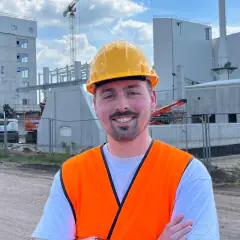
Niels Evans
Co-founder
Niels spent months at job fairs and companies across Limburg, notebook in hand. He listened to what HR managers, business owners, and blue-collar workers had to say about hiring and why people leave. His focus is on making applying and hiring simpler and more human.

Warre Dreesen
Co-founder
Warre turned research insights into a working product. He builds and maintains the platform, making the app, the portal and the data work as one. His goal is straightforward: build a tool that does what it's supposed to do and that both employers and candidates actually want to use every day.
From the first conversations to today
Werkvolk didn't start with a product. It started with conversations, and this is how we got here.
The idea takes shape
We tested the idea with the market, at job fairs and inside companies.
Building and listening
We built the product and kept talking to employers and blue-collar workers.
Official partner of VDAB
In Flanders, candidates start faster with a prefilled profile.
The pilot starts
The app for jobseekers and the portal for employers started as a pilot.
Selected for Start it @KBC
Part of the autumn 2026 cohort of KBC's accelerator programme for startups.
Official launch in Limburg
We launched officially in the province of Limburg, Belgium.
What we kept hearing
We started by listening. At job fairs, in companies, in one-on-one conversations. With blue-collar workers who've been searching for months and employers who can't find the right people.
Candidates shared stories about vague salaries, unclear job descriptions, getting ghosted after applying, and jobs that turned out different from the advert. Employers talked about sifting through piles of CVs, never having enough time, candidates who look good on paper but don't fit, and losing people within the first few months.
After enough conversations, the pattern became clear. The problem isn't just finding candidates, it's how jobs and companies are presented, and the lack of focus on whether a job really matches what people are looking for.
See the job. Understand the person.
Jobseekers can explore vacancies, learn about employers and use the app to apply for a role. Skills, work preferences and availability help put a potential match in context.
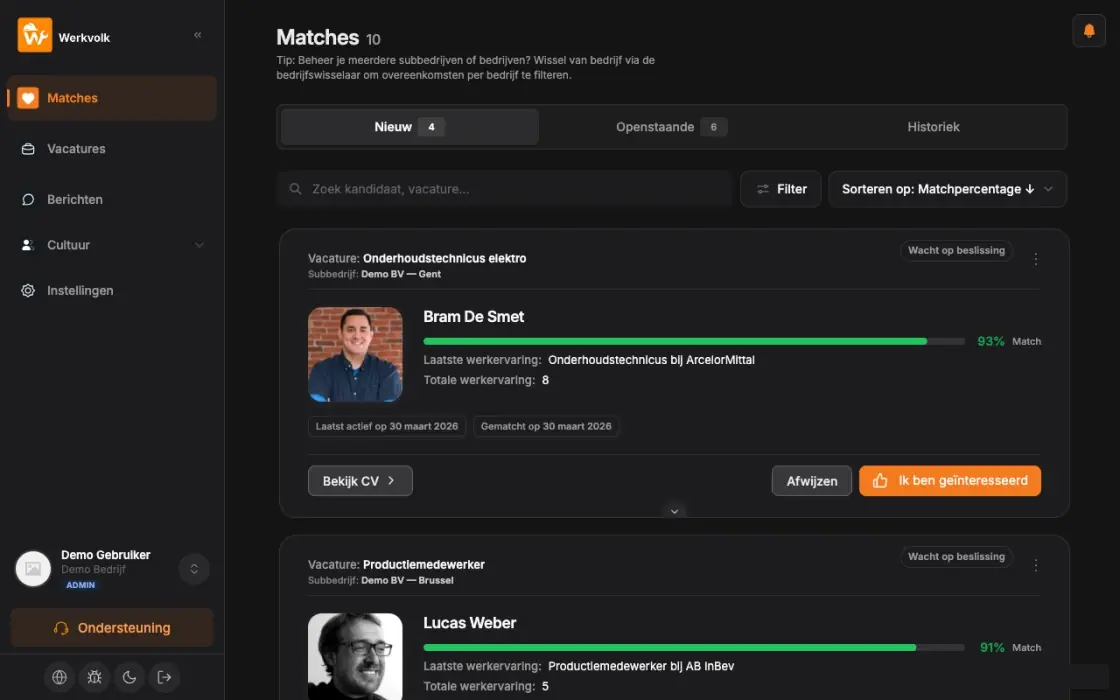
Employers publish vacancies, present their company and approve applications in the portal. Shared notes, candidate profiles, chat and vacancy insights support the next conversation. Application counts do not reveal every visitor’s identity.
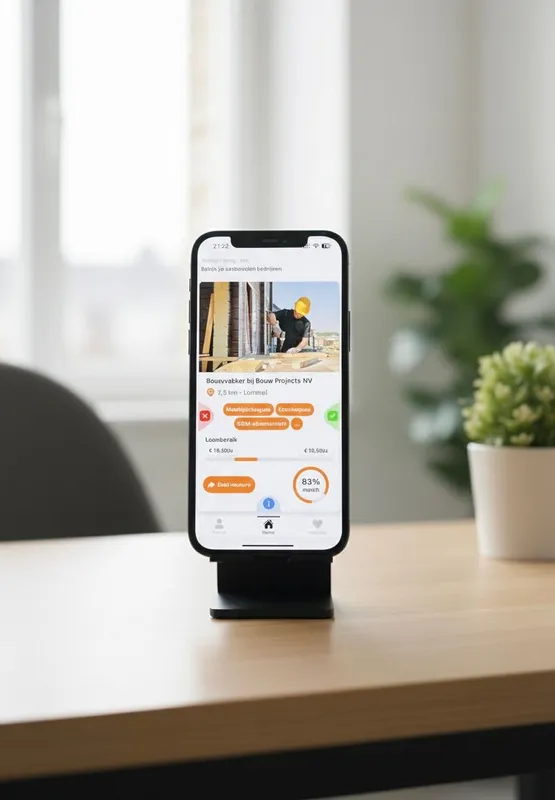
Understand why someone fits
Salary, location, skills and working hours matter. So do experience and availability.
Suitability scores draw on skills, experience, location and availability. They add context; they do not make the hiring decision or guarantee someone will stay.
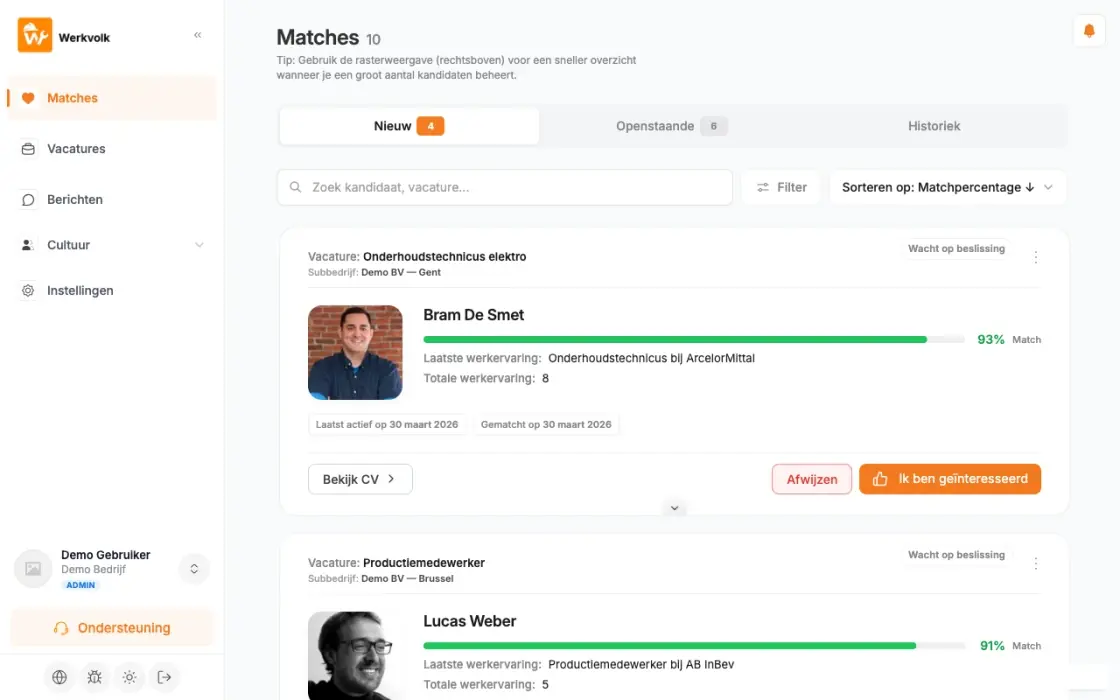
Make the next step easier to understand
We want candidates to understand a role before applying, and employers to see useful context before starting a conversation.
We use feedback from workers and employers to decide what to improve next.
Clear vacancies
Candidates understand a job before they apply.
Visible prices
Employers see what it costs upfront. Posting vacancies is always free.
Direct contact
Employers and candidates talk to each other, without a middleman.